



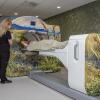














What is a CT Guided Spine Injection?

A spinal injection is a procedure used to reduce pain and inflammation in specific areas of the spine. During the procedure, medication is injected around a joint, nerve root, or the epidural space.

CT imaging is used to guide the needle into the correct position, helping ensure accurate delivery of the medication.

There are two medications used in a spinal injection:

  • Local anaesthetic - to temporarily numb the area
  • Corticosteroid - to help reduce inflammation and provide longer-term pain relief 
CP20603

What are the benefits?

Spinal injections are used to help improve your symptoms by reducing swelling and inflammation.  

The effects of the injection can last up to 3-6 months.

The injection can be repeated if it is effective.  The injection may not relieve the symptoms in everyone.  Your specialist will discuss alternative options with your if this is the case.

services spinal injections 2

Why is CT guidance used?

CT guidance allows the Radiologist to see the exact location of the needle during the procedure, helping to:

  • Improve accuracy
  • Target the correct nerve or joint
  • Reduce the risk of complications
  • Improve the delivery of medication

CT guidance is particularly useful for spinal injections, where structures are small and located close to important nerves.

What are the risks?

Spinal injections are commonly performed and are generally safe. However, with any procedure there is always an element of risk.

Risks include:
Mild discomfort at the injection sit

Other reported risks although these are rare:
Infection
Bleeding
Bruising (haematoma)
Headaches
Increased pain in the treated are

Extremely rare risks include:
Spinal nerve injury
An allergic reaction
Spinal cord injury
Dural puncture (epidural injections only)

Cervical spine (neck injections):
Extremely small risk of a stroke (less than 1 in a 1000)
 
Corticosteroid side effects:
Hot flushes
Feeling sick
Mild abdominal pain
Light menstrual bleeding for woman
Temporary rise in blood glucose levels (if you have poorly controlled diabetes, please notify the Radiologist)
 
These should all settle in a few days.  Severe complications are rare, but the consequences can be serious.

appointment background

Where can I get a spinal injection done?

We have multiple locations available for spinal injection throughout New Zealand.

Please select your location to contact us

Giving consent

Your Specialist will have discussed with you the expected benefits and potential risks of the procedure

Before the procedure the Radiologist or Radiology Technician will re-discuss the potential risks, and you can then ask any questions you have about the procedure.

You will be asked to sign a consent form. This states that you agree to the procedure and understand what it involves. 

Preparing for your spinal injection

Our booking team will ask you a few questions about your health and any pre-existing conditions including diabetes or bleeding disorders, medication you may be taking, including blood thinning and over the counter medications.

  • Please advise the team if you have any allergies in particular any reactions to CT contrast, corticosteroids, or anaesthetics
  • You may be asked to have a blook test to check your clotting
  • If you are a woman of childbearing age, you will be asked if you could be pregnant.  If you are unsure, you will be required to take a pregnancy test before attending the appointment
  • You may be asked to stop taking some medications for a few days before and after the procedure
  • Before your procedure you can drink sips of water and take your usual medications. You cannot eat for 4 hours before the procedure
  • Some patients find it useful to take some mild pain relief before the procedure.  500mg - 1g of Panadol is usually sufficient

What happens during the procedure?

Your spinal injection will be performed by a Radiologist.

During the procedure:

  • You will be asked to change into a gown
  • The Radiologist may insert a small cannula in the back of your hand or arm
  • For lumbar spine injections you will usually be positioned lying face down on your stomach. 
  • For cervical spine injections you may be placed on your stomach, back or side
  • The Radiologist will inject some local anaesthetic around the area where the needle is to be inserted. This may cause a stinging sensation. The local anaesthetic will numb the area. The Radiologist will then carefully guide a thin needle into the correct location using CT imaging. A small amount of contrast may be injected to confirm the position of the needle tip
  • Once the needle is in the correct position the anaesthetic and corticosteroid is injected. Whilst the needle is being inserted it is important to stay very still. Please tell the Radiologist if you experience any pain or discomfort
  • The procedure takes approximately 20 minutes to complete

What should I expect after my spinal injection?

Most patients are able to go home shortly after the procedure.

After your injection:

  • You will be monitored for 10 to 20 minutes before leaving. The staff will check that you are comfortable and able to mobilise safely before you leave
  • For safety reasons you should not drive home and will need to arrange transport. Once home you may experience an increase in pain for 24 - 72 hours. Your symptoms should gradually improve
  • The anaesthetic may cause you to experience limb weakness for a few hours following the procedure
  • It can take up to 2 weeks to feel the full effects
  • Continue to take pain relief for the first 72 hours
  • The dressing can be removed after 24 hours

What should I do if I have a problem?

If you have any concerns that you may have developed a complication, or if you experience any of the following symptoms, please contact your doctor for advice.

These could include:

  • Worsening pain
  • Increase redness, swelling or oozing
  • Fever (temperature higher than 38 degrees)
  • Sudden weakness or numbness
  • Loss of bowel or bladder control
FAQs

You may feel a brief stinging sensation from the local anaesthetic, followed by some pressure during the procedure. Most patients tolerate the procedure well.

The procedure typically takes around 20 minutes, although your appointment may be longer to allow for preparation and recovery. 

Some patients experience relief within a few days, while for others it may take up to two weeks for the corticosteroid to take full effect.