



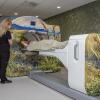

















What is a PICC Line Insertion?
A Peripherally Inserted Central Catheter (PICC) is a long, thin, flexible tube that is inserted into a vein in the upper arm and guided into a large vein near the heart.
A PICC line provides reliable long-term access to the bloodstream, making it easier to deliver treatments and medications without the need for repeated needle injections.

Why is a PICC line used?
A PICC line may be recommended for patients who require:
- Long-term intravenous (IV) medications
- Chemotherapy treatment
- Extended courses of antibiotics
- Intravenous nutrition (TPN)
- Regular blood tests
- Frequent infusions or intravenous therapies

How is a PICC line inserted?
PICC line insertion is performed by an Interventional Radiologist using ultrasound and image guidance to accurately place the catheter.
The skin is cleaned and numbed with a local anaesthetic before the PICC line is inserted into a vein in the upper arm. The catheter is then guided into position and secured in place with a dressing.

Why is image guidance used?
Image guidance allows the Interventional Radiologist to see the vein and catheter during the procedure. This helps to:
- Improve placement accuracy
- Reduce the risk of complications
- Minimise discomfort
- Ensure the catheter is positioned correctly
After the procedure
The PICC line can usually be used immediately after insertion. You will receive instructions on how to care for your PICC line and keep the insertion site clean and dry.
Your healthcare team will advise you on dressing changes and ongoing PICC line maintenance.