
















Bone Density Scan icon

What is a bone density scan?

A bone density scan uses a very low dose of X-ray to measure the mineral content of your bones, usually at the hip and spine.

The scan helps identify:

  • Osteoporosis
  • Osteopenia (low bone density)
  • Increased fracture risk
  • Changes in bone density over time
  • Response to osteoporosis treatment

Osteoporosis often develops without symptoms and may not be discovered until a fracture occurs. Early assessment can help identify changes in bone health before problems arise.

services bone

Who should consider a bone density scan?  

You may benefit from a bone density scan if you:

  • Post-menopausal women*
  • Men over 50
  • Have a family history of osteoporosis
  • Have experienced a fracture after a minor fall
  • Have a small or thin body frame
  • Take medications that affect bone strength, including long-term steroid use
  • Have low testosterone levels
  • Smoke or consume excessive alcohol
  • Have a condition that affects nutrient absorption

Early detection is important, as bone loss can occur without symptoms.

*Defined as 12 consecutive months with no menstrual period

Why choose a bone density scan?

A bone density scan can:

  • Detect osteoporosis before fractures occur
  • Measure bone loss over time
  • Assess future fracture risk
  • Monitor osteoporosis treatment
  • Help support proactive bone health management

What is Osteoporosis?

Osteoporosis is a condition where bones become thinner and weaker, increasing the risk of fractures.

It can affect both men and women, but is more common with age and after menopause.

What happens during the scan?

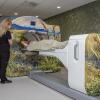
When you have your bone density scan you will be asked to lie on a table where you will hear a quiet machine noise. A scanning arm will move above you (it will not touch you). The technician will tell you when the scan is finished.

The scan takes about 20 to 40 minutes and you can return to normal activities immediately afterwards.

FAQs

No. A Bone Density Scan is completely painless and non-invasive. You simply lie on the scanning table while the scanner measures your bone density.

A referral from your doctor is usually required, however:

  • Self-referral is available for men over 50 or post-menopausal women*

*Defined as 12 consecutive months with no menstrual period

Osteopenia means your bone density is lower than normal but not low enough to be classified as osteoporosis. Osteoporosis is a more advanced loss of bone density, which increases the risk of fractures.

A Bone Density Scan, also known as a DEXA scan, is a low-dose X-ray examination that measures bone mineral density. It is used to assess bone strength, diagnose osteoporosis, and evaluate fracture risk.

A bone density scan may be recommended for men over 50, post-menopausal women, people with a family history of osteoporosis, those who have experienced a fracture from a minor fall, or anyone with other risk factors affecting bone health.